
Holidays are typically associated with relaxation, yet for some tourists, they can become a source of unexpected experiences that trigger physical and psychological reactions. These phenomena occur sporadically, but the intense emotions evoked by a location’s history, culture, or spiritual significance can impact travelers’ psychophysical well-being. They often affect visitors to specific destinations where inconsistency between idealized expectations and reality may lead to unexpected reactions such as anxiety, disorientation, or a sense of being overwhelmed.
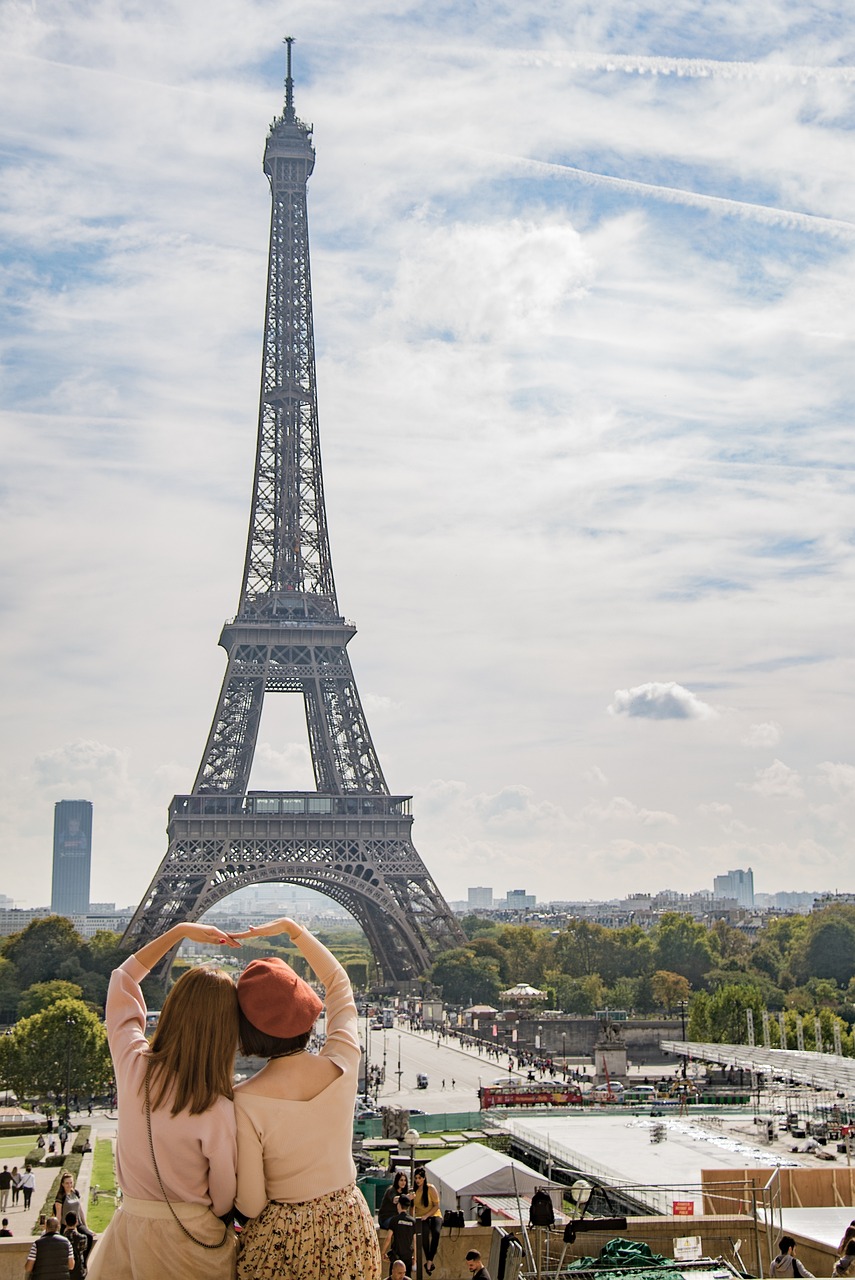
Among the most recognized psychosomatic syndromes associated with travel are Paris Syndrome, Jerusalem Syndrome, and Florence Syndrome.
Paris Syndrome is one of the most well-known phenomena, primarily affecting visitors to Paris, especially travelers from Japan. This syndrome manifests as a severe cultural and psychological shock caused by the confrontation between the city’s reality and the tourists’ idealized perceptions. Symptoms can include anxiety, disorientation, and even depression or hallucinations, making it a psychological disorder linked to travel. Paris Syndrome is considered an extreme form of culture shock. While Paris is widely regarded as a city of romance and culture, tourists may feel overwhelmed by crowds, noise, and the stark contrast between reality and the cinematic or literary portrayals of the city. Additionally, there is a common belief that Parisians are reluctant to engage with tourists who speak English.
Jerusalem Syndrome involves delusions experienced by pilgrims and tourists visiting the Holy Land, particularly Jerusalem. Those affected undergo a psychological shock, often manifesting in identifying with biblical figures after visiting religiously significant sites. This phenomenon results from the clash between pilgrims’ idealized visions of the Holy Land and the reality of these places, leading to mental disturbances. The profound spiritual experiences associated with this location can trigger an intense sense of salvation or disappointment, depending on the individual’s expectations and religious background.
Florence Syndrome, also known as Stendhal Syndrome, is less widely recognized but affects visitors to Florence. This phenomenon is linked to a deep sense of emotional overwhelm and dizziness that can arise when encountering the city’s art, architecture, and history. For some individuals, particularly those unprepared for such intense artistic exposure, this overstimulation can lead to feelings of exhaustion, confusion, and emotional turmoil. It serves as an example of how an excess of cultural impressions can impact a tourist’s psyche, preventing them from fully processing the overwhelming presence of history and art surrounding them.
Though rare, these phenomena illustrate the profound psychological impact that travel can have on individuals. The uniqueness of certain destinations, their rich histories, and their spiritual significance can create situations where reality starkly contrasts with the traveler’s idealized vision.
