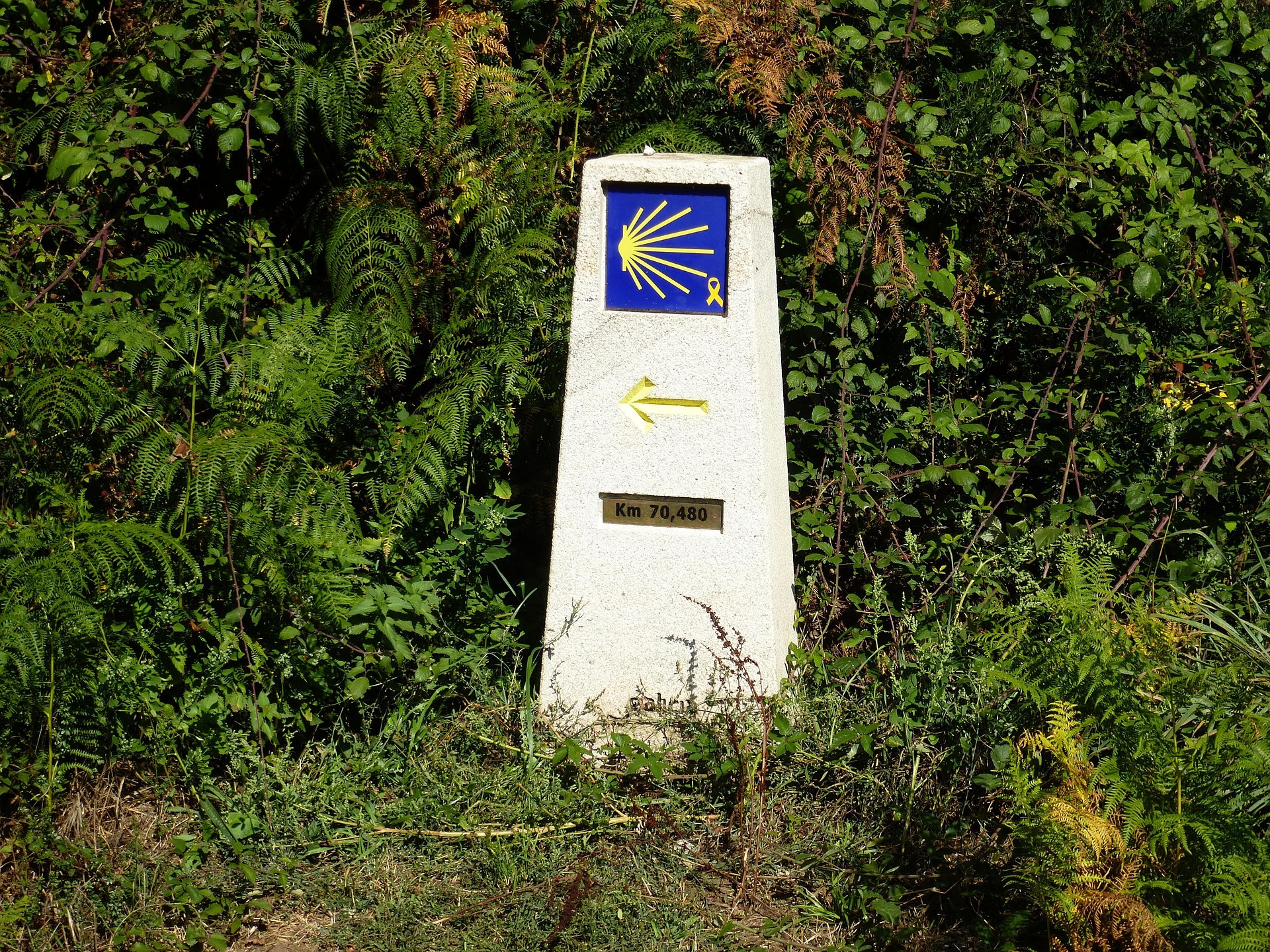
This route is considered one of the oldest pilgrimage trails in Europe. The first documented pilgrimage to Santiago de Compostela along this path took place around the year 950. The trail leads to the tomb of St. James the Apostle, which, according to tradition, is located beneath the cathedral in Santiago de Compostela.
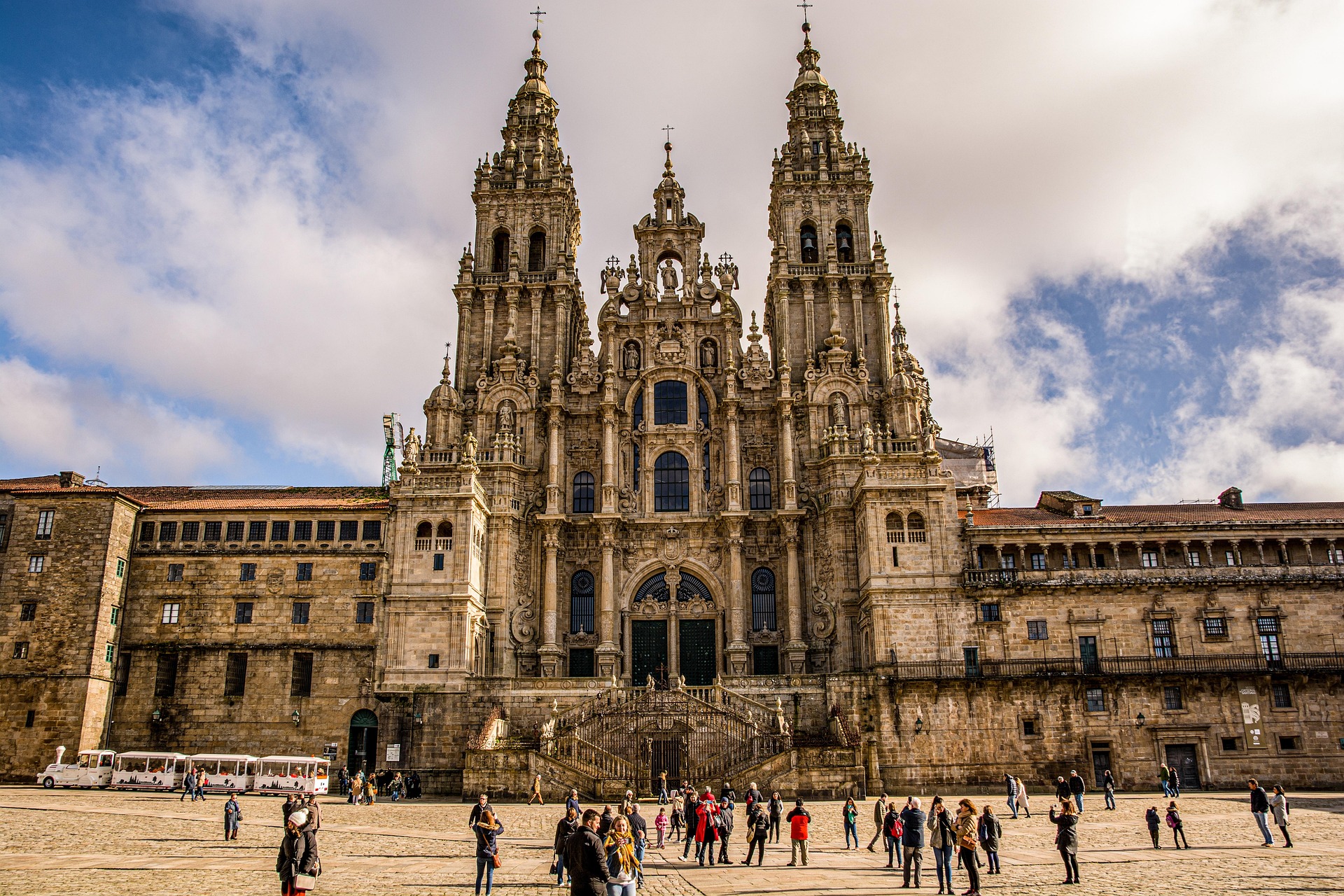
Dante Alighieri referred to the pilgrims traveling along this route as peregrini, emphasizing the spiritual nature of their journey. The Camino attracted people from all social classes, and the pilgrimage traditionally began the moment they left their homes. Among the most famous pilgrims are Charlemagne, St. Francis of Assisi, and St. Ignatius of Loyola.
By the end of the 15th century, the number of pilgrims reaching Santiago de Compostela each year ranged from 500,000 to even one million. Many pilgrims did not end their journey in Santiago de Compostela but continued to the town of Fisterra, which in the Middle Ages was believed to be the end of the world. Pilgrims would take seashells from there as proof of completing the route, which is why the shell remains a symbol of the Camino to this day.
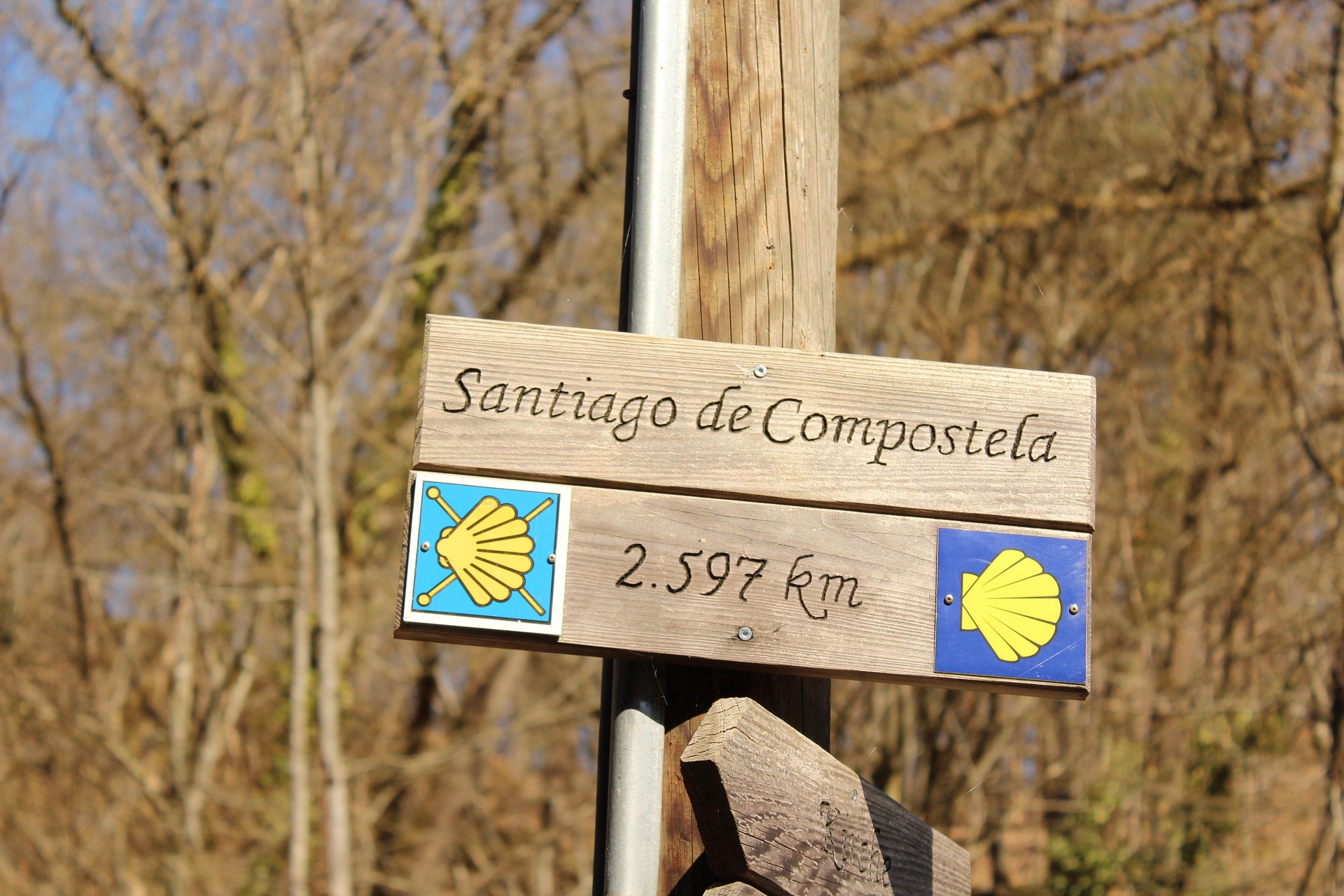
The beginning of the Reformation and the religious wars caused a significant decline in the number of pilgrims. The pilgrimage movement began to revive only in the 20th century, thanks to Pope John Paul II, who made a pilgrimage to Santiago de Compostela and called on young people to renew the tradition of pilgrimage.
In 1987, the Council of Europe recognized the Way of St. James as a route of special importance to European culture. It was declared the first European Cultural Route, with an appeal to restore the ancient paths and adapt them for modern pilgrims. As part of this initiative, the Jacobean Council was established to oversee the work related to the revitalization of the trail. This appeal met with a broad response, and restoration work on some sections of the route continues to this day.
In 1993, the Way of St. James was inscribed on the UNESCO World Heritage List.
The Way of St. James is not a single, defined route — it is a vast network of pilgrimage trails found in various European countries, including Spain, France, Portugal, Germany, Poland, and Ukraine. Pilgrims can embark on this spiritual journey in several ways: on foot, by bicycle, or on horseback.
The pilgrimage typically takes about a week, and participants must cover a minimum of 200 kilometers to be eligible for the Camino de Santiago Completion Certificate (known as the Compostela). The final stage of the journey ends at the Cathedral of Santiago de Compostela, where the relics of St. James the Apostle are believed to be housed.
The most popular routes include:
In Poland, there are numerous branches of the Camino de Santiago that pass through cities such as Wrocław, Poznań, and Toruń. These include: